Cabo Trip Planner
Plan your perfect trip

Things to do 5 ways to do it

Whale Watching in Cabo (December–April)

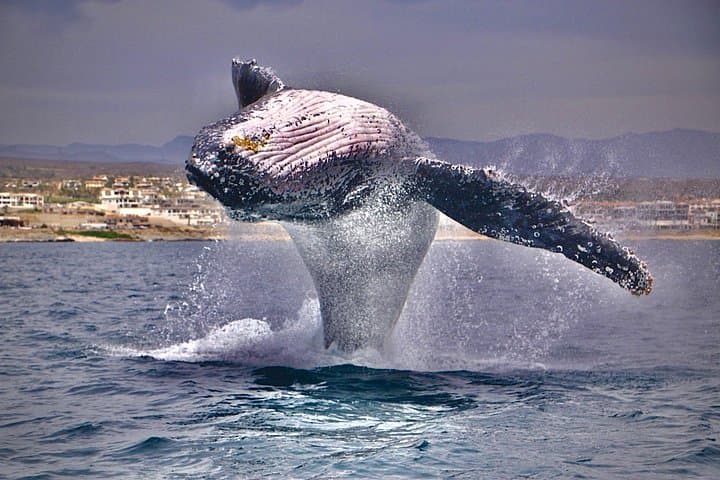
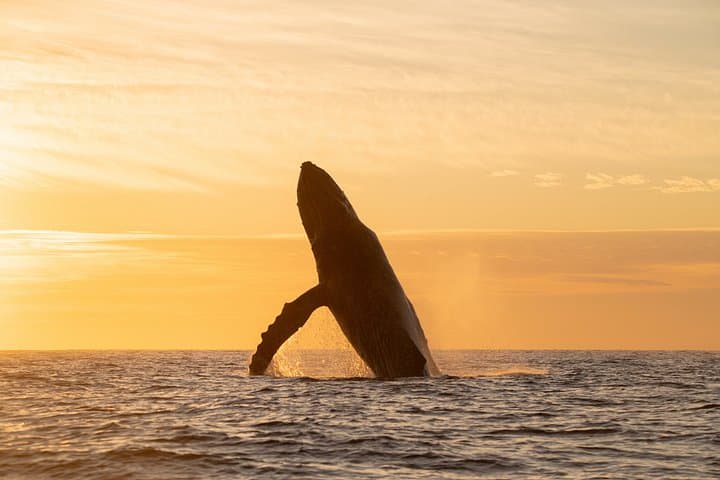
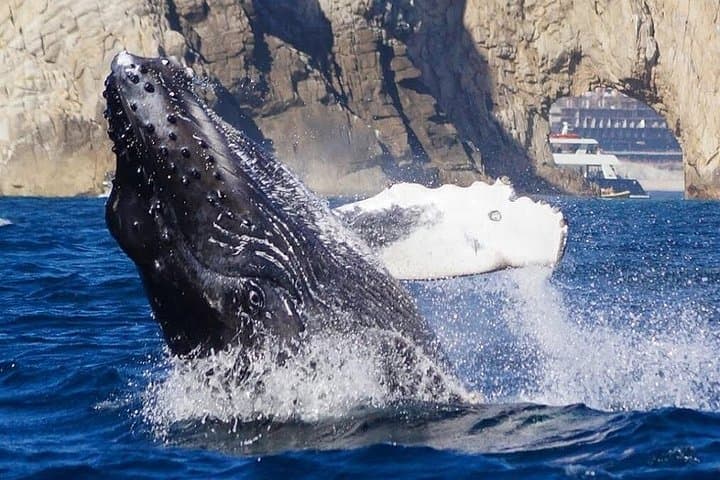
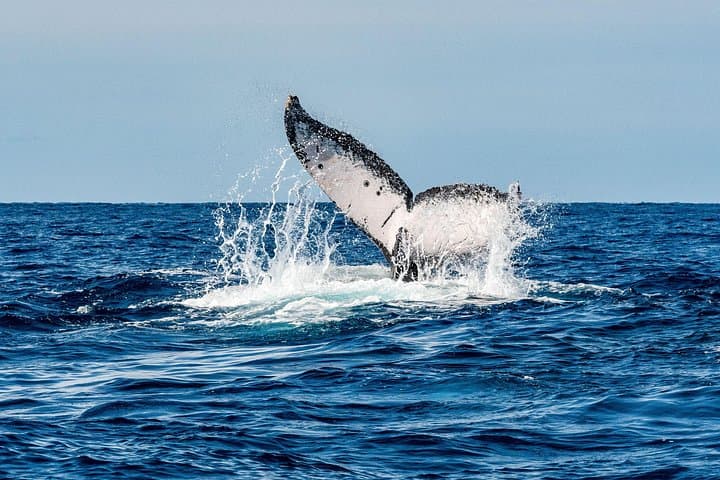
Cabo sits right on the Pacific gray and humpback migration corridor, with whales passing through the channel between December and April. Most mornings you'll see blows and breaches from the marina breakwater. The question isn't whether you'll see whales — it's how close you want to get, how much context you want, and whether your stomach can handle open water when the wind picks up after 11 a.m.

Updated September 2026

Pick your way

The ways to do it — honestly compared.

Way 1

From a zodiac with a marine biologist

Small rigid inflatables put you at water level with whales, often within legal approach distance when the animals surface near you. A marine biologist narrates behavior in real time — breach sequences, nursing, competitive pods — so you're watching patterns, not just taking photos. The trade-off is exposure: no shade, no bathroom, and every swell hits harder than it would on a larger boat.

Why you'll love it

  • Eye-level encounters feel immediate and personal
  • Marine biologist context turns sightings into actual learning
  • Small group size (usually under 12) means better sightlines
  • Faster repositioning when whales move

Worth knowing

  • Rough ride in afternoon wind or Pacific swell
  • No bathroom or galley on most zodiacs
  • Limited shade — bring a hat and reef-safe sunscreen
  • Not ideal if you're prone to seasickness

Best for: People who want education over comfort and don't mind getting wet or windblown for close, low-angle whale encounters.

Typical price: $109–137 per person

Way 2

Standard two-hour boat from Cabo marina

Most Cabo whale tours are two-hour loops out of the main marina, running on larger boats with shade, bathrooms, and stabilized decks. You head into the channel, idle when whales surface, and the crew calls out blows. It's efficient and predictable — good for families, first-timers, or anyone who wants whales without committing a full day. Some operators include a marine guide; many do not.

Why you'll love it

  • Short time commitment fits into a beach or resort day
  • Stable platforms reduce seasickness risk
  • Onboard facilities (shade, bathrooms, sometimes drinks)
  • Easy marina access — most hotels can book same-day

Worth knowing

  • Crowded boats during peak season (February–March)
  • Higher vantage point means less intimate sightings
  • Educational quality varies widely by operator
  • You're sharing the channel with a dozen other tour boats

Best for: Families, cruise passengers, or anyone who wants reliable whale sightings without seasickness risk or a long commitment.

Typical price: $96–140 per person

Way 3

Combo tour with snorkeling

A handful of operators bundle whale watching with a snorkel stop at Pelican Rock or Santa Maria. You spend the first half tracking whales, then pivot to a reef for 45 minutes underwater. It's a solid value if you want two experiences in one morning, but the whale portion gets compressed — you're watching the clock, not the animals.

Why you'll love it

  • Two activities for one price point
  • Snorkeling cools you down after sun exposure on deck
  • Good use of a half-day if you're short on time

Worth knowing

  • Whale time is shorter and more rushed
  • Snorkel sites are often crowded midmorning
  • Switching gears can feel transactional
  • Not ideal if whales are your primary focus

Best for: Travelers who want a taste of both activities and are okay with less dedicated whale time.

Typical price: $175 per person

Way 4

Full-day lagoon trips to Bahía Almejas or Magdalena Bay

These are eight- to ten-hour excursions to protected Pacific lagoons north of La Paz, where gray whales congregate to calve and nurse. You're in a panga — a small open boat — often within arm's reach of mothers and calves. The whales are curious and sometimes approach the boat. It's the most reliable close encounter you'll get, but the drive is long (three hours each way) and the day is full-on sun exposure.

Why you'll love it

  • Whales often approach the boat — genuine proximity
  • Calving lagoons offer mother-calf behavior you won't see offshore
  • Professional photo packages available on some trips
  • Small pangas mean intimate group size

Worth knowing

  • Long drive cuts into the day (six hours round-trip)
  • No shade, no bathroom, no escape from sun or wind
  • Higher price point reflects logistics and distance
  • You're committed for the full day — no early exit

Best for: Serious whale watchers who want the closest, most interactive encounters and don't mind a long, exposed day to get them.

Typical price: $199–285 per person

Way 5

Multi-day whale safari

A weeklong boat-based trip out of La Paz chasing three whale species — grays, humpbacks, and blues — across the Sea of Cortez and Pacific lagoons. You're on the water most days, repositioning between known congregation zones as the animals move. It's for people who want whales to be the entire trip, not a morning activity.

Why you'll love it

  • Multiple species in different habitats
  • Small group logistics and dedicated naturalist guides
  • Snorkeling and island stops between whale zones
  • Blue whales are a rare sighting most tours never offer

Worth knowing

  • Significant time and budget commitment
  • Weather can scrub entire days
  • You're living on a boat for a week
  • Not a fit for casual or first-time whale watchers

Best for: Dedicated wildlife travelers who want immersion and are comfortable with expedition-style logistics and costs.

Typical price: $2,749 per person

Before you go

  • Book sunrise departures if you're prone to seasickness — the water is flattest before 10 a.m., and wind picks up fast after midday.
  • February and March are peak season for both grays and humpbacks; January sees more grays, April skews humpback as they head north.
  • Bring reef-safe sunscreen, a hat with a strap, and a light windbreaker — even warm mornings turn cold and windy once you're moving.
  • If a tour guarantees sightings, ask what the guarantee actually means — most offer a free rebooking, not a refund, and weather can scrub trips entirely.
  • Marine biologist-led tours cost $20–40 more but deliver vastly better context — you'll learn to spot competitive behavior, nursing, and breach patterns instead of just pointing at fins.
  • Don't book whale-snorkel combos if whales are your priority — the snorkel stop eats into whale time and often lands you at crowded reefs during peak midmorning traffic.