Cabo Trip Planner
Plan your perfect trip

Things to do 3 ways to do it

Cabo Pulmo Diving & Snorkeling

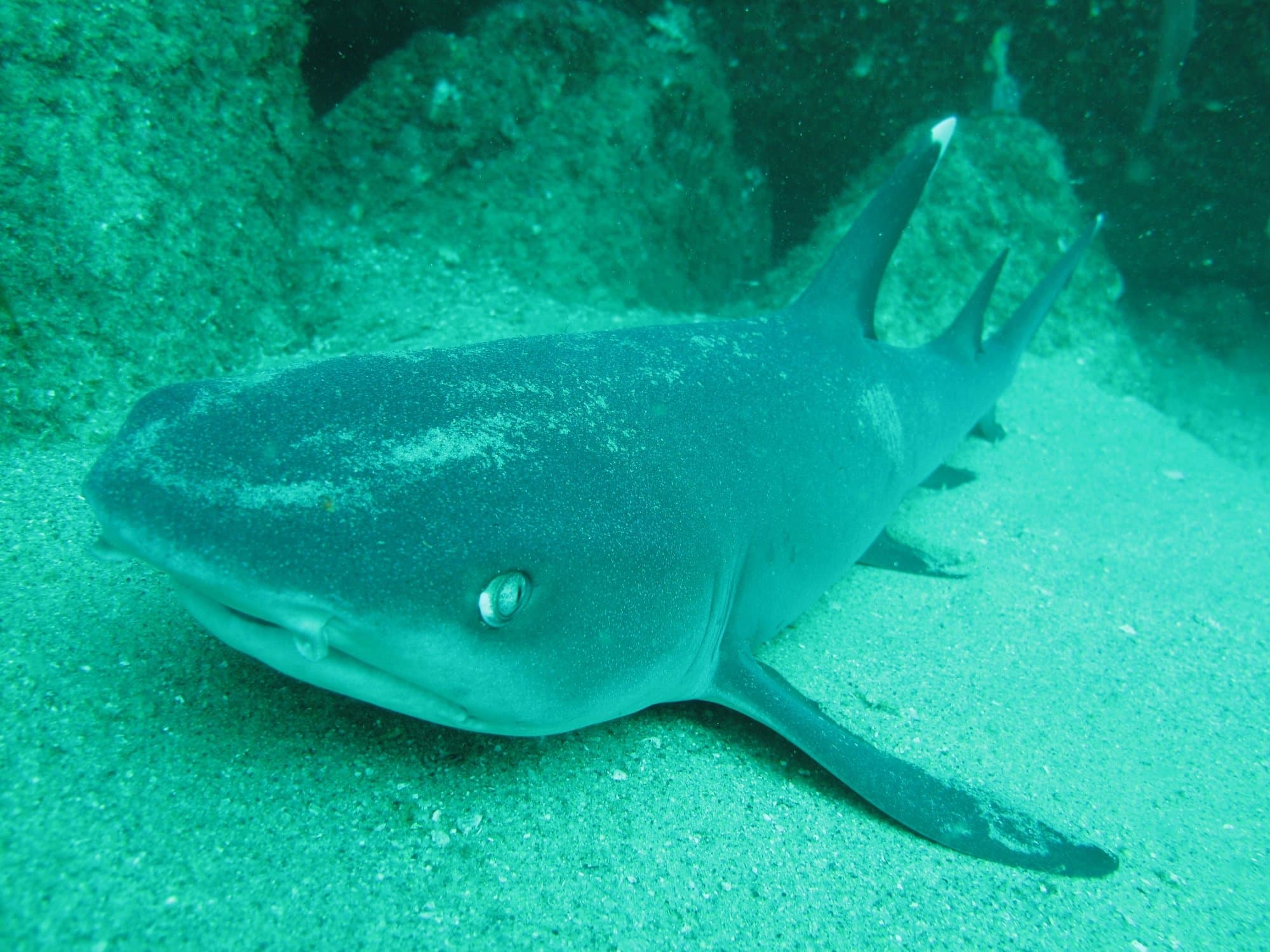
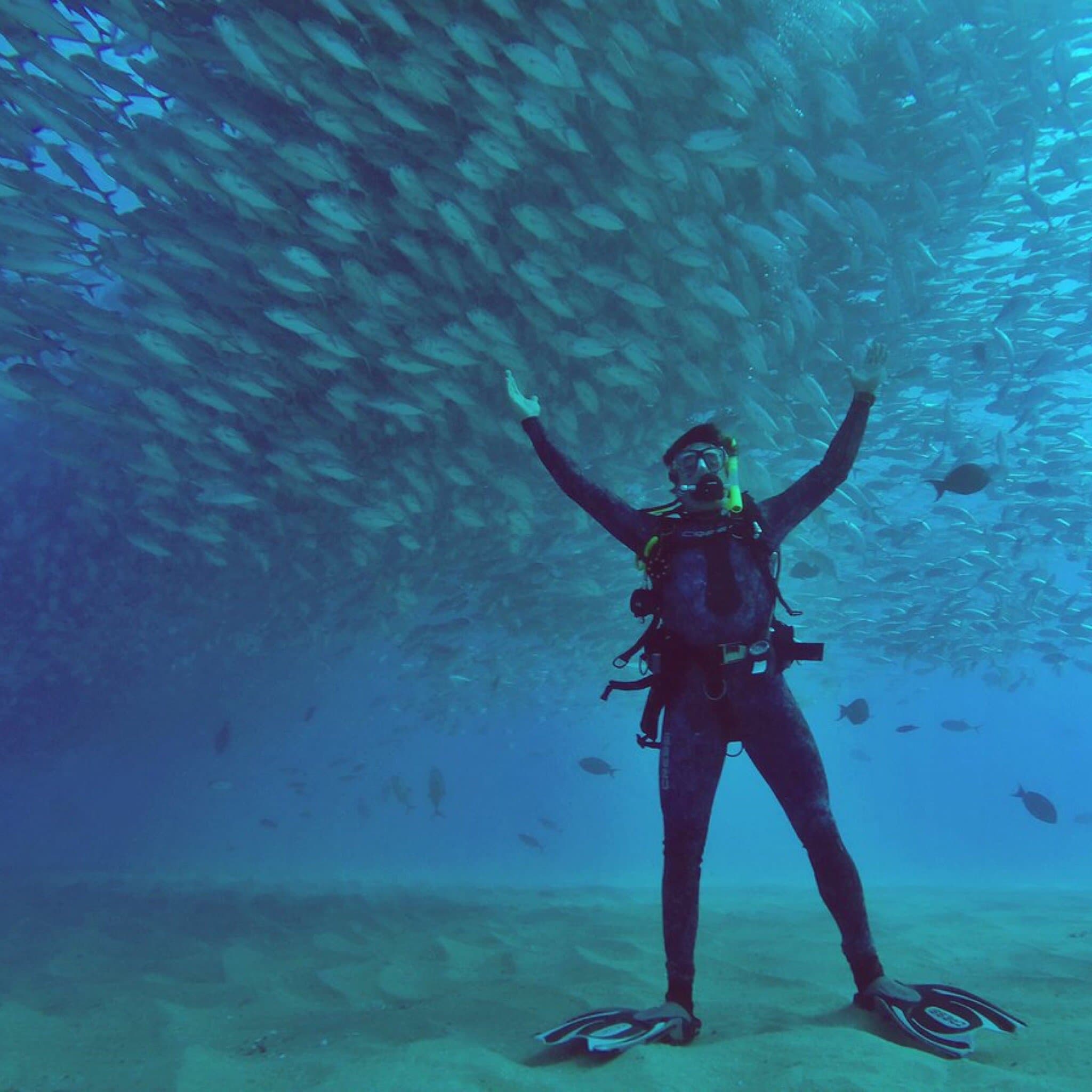
Cabo Pulmo sits 60 miles up the East Cape, where a three-decade fishing ban turned a dead reef into the densest marine park in the Sea of Cortez. You'll see bull sharks, swirling tornadoes of jacks, and coral that actually came back. This is a full-day commitment from Cabo — two hours of driving each way, then diving or snorkeling in protected water that rivals anywhere in Baja.

Updated September 2026

Pick your way

The ways to do it — honestly compared.

Way 1

Full dive day at the marine park

You drive or get shuttled to Cabo Pulmo village, then run two-tank dives with an operator based right on the reef. Visibility is typically excellent, the dive sites are minutes offshore, and you're in water that's been protected since 1995. Expect coral fingers, schooling fish in absurd density, and sharks if conditions cooperate.

Why you'll love it

  • Direct access to the healthiest reef system in the Sea of Cortez
  • Local operators know every site and where animals are moving
  • Two tanks let you hit shallow coral and deeper walls in one trip
  • No boat crowds — most groups are small and the park limits traffic

Worth knowing

  • Two-hour drive each way eats half your day
  • Wind and swell can scrub dives with little notice
  • You need your certification — no discover dives here
  • Limited food options in the village; pack snacks

Best for: Certified divers who want world-class reef diving and don't mind the road time

Typical price: $120–150 per person for two tanks

Way 2

Snorkel day trip to Pulmo Reef

Same reef, no tanks. You snorkel the shallow finger reefs where jacks, snappers, and rays move through in huge numbers. The coral sits close to the surface, so you're watching the same ecosystem divers see, just from above. Most trips include the drive, guide, and gear.

Why you'll love it

  • No certification needed — just mask up and go
  • Shallows are where the big schools congregate anyway
  • Cheaper than diving and still hits the protected zone
  • You can stay down as long as your lungs allow

Worth knowing

  • Surface chop can make it harder to spot animals
  • You miss the deeper walls and pelagics that divers see
  • Still a two-hour drive for what's ultimately a snorkel
  • Less time in the water than a two-tank dive

Best for: Non-divers or families who want to see the reef without certification

Typical price: $150 per person including transport and gear

Way 3

Freediving instruction and Pulmo access

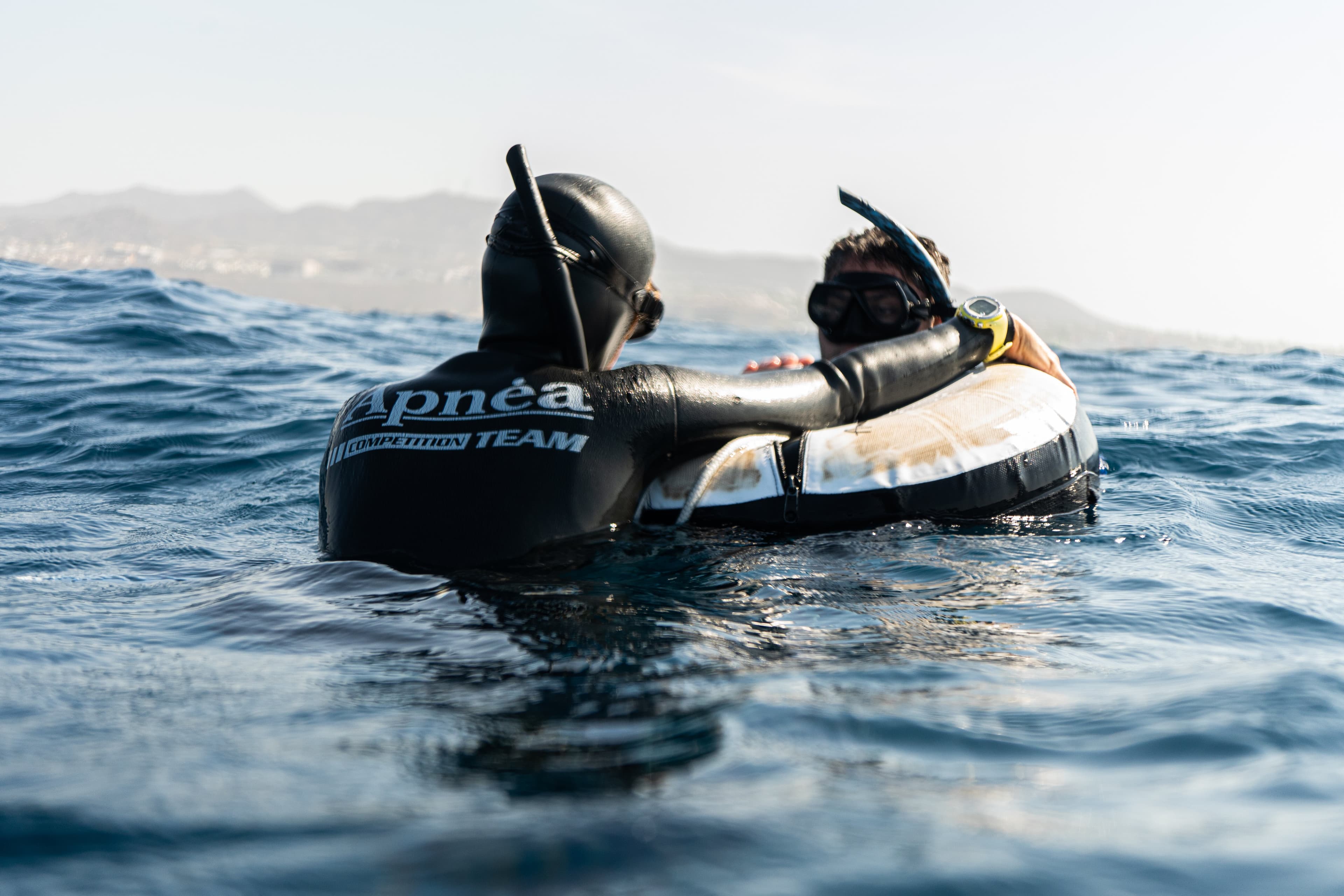
If you want to go deeper without tanks, freedivers run coached trips that teach breath-hold technique and then take you to Pulmo or other East Cape sites. You're learning equalization, kick efficiency, and how to stay calm at depth, then applying it in water that rewards the skillset.

Why you'll love it

  • You learn a skill that works anywhere, not just Cabo
  • Smaller groups and more one-on-one than typical dive trips
  • Access to sites where holding your breath matters more than gear
  • Instructors adapt to your comfort level and progression

Worth knowing

  • Steeper learning curve than snorkeling; not everyone takes to it
  • You'll spend part of the day on technique, not just swimming
  • Costs more than a standard snorkel trip
  • Requires decent fitness and comfort in open water

Best for: Swimmers who want to go deeper than snorkeling without scuba, or anyone curious about freediving as a practice

Typical price: $150 per person

Before you go

  • Book Cabo Pulmo trips at least a few days out — operators are small and fill up, especially in high season.
  • Morning departures dodge the worst of the East Cape wind, which picks up after noon and can flatten visibility.
  • Bring cash for the marine park fee (around $5) and any food in the village — credit cards are hit or miss.
  • If you're prone to car sickness, take meds before the drive; the road past La Ribera is winding and poorly paved in stretches.
  • Ask your operator if they're based in Pulmo or shuttling from Cabo — local outfits cut an hour off your drive time.
  • Pack reef-safe sunscreen; the park enforces it, and you'll get turned around if you show up with the wrong bottle.